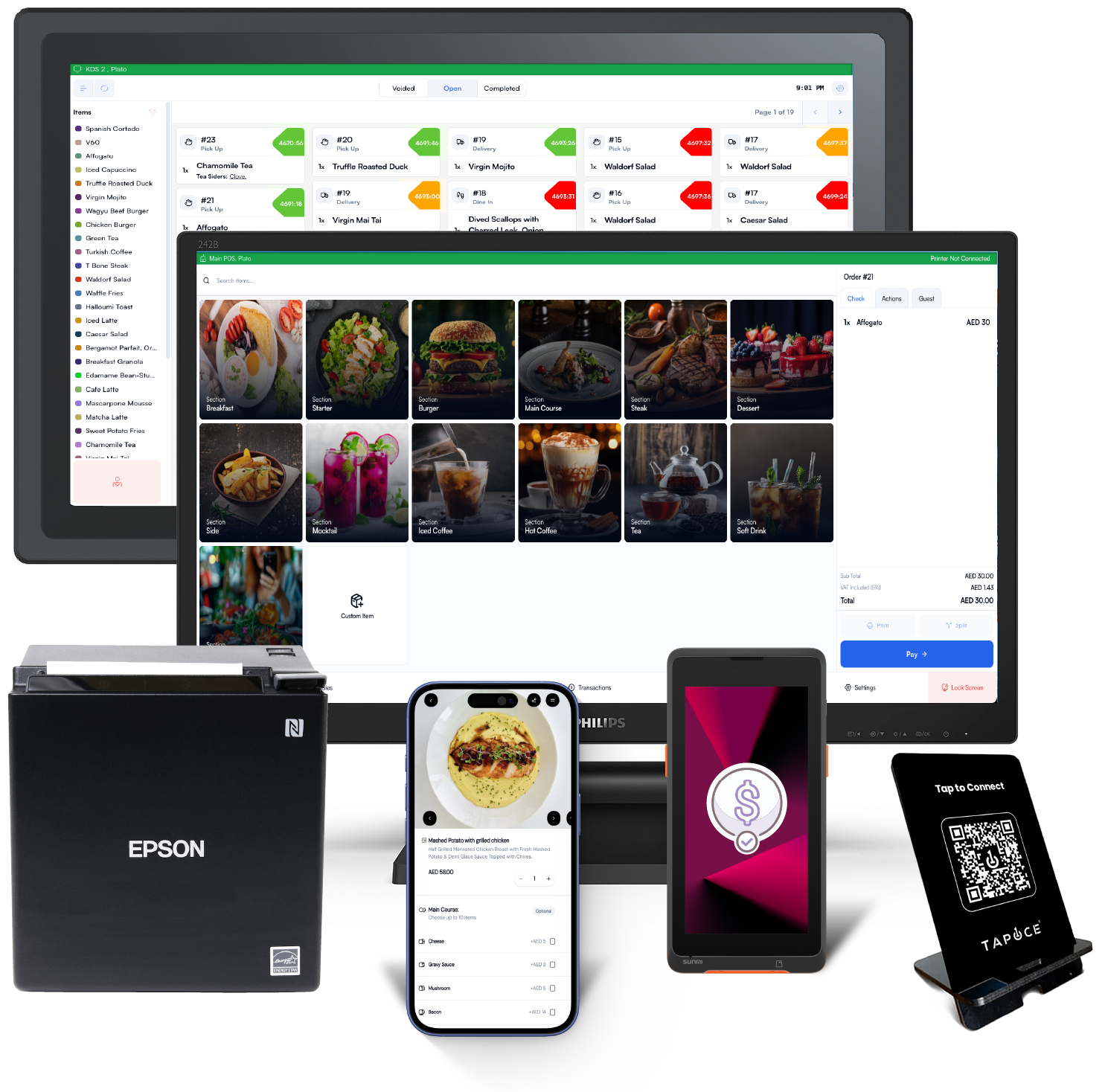
From inquiry to kitchen
Capture the event promise in a way production teams can actually use.
Event-order operations
Plan larger orders from customer inquiry through menu package, production timing, delivery handoff, and post-event review without losing restaurant context.

Sample event brief
Quote details stay attached to production and handoff notes.
Capture the event promise in a way production teams can actually use.
Keep quantities, deadlines, and handoff notes visible before the rush starts.
Use restaurant, inventory, forms, and pay workflows around the catering plan.
Stage 01
Event intake
Stage 02
Menu packages
Stage 03
Prep boards
Stage 04
Delivery
Event timeline
Catering work moves from a customer promise into a quote, then into production tasks and delivery ownership. The page keeps each handoff visible instead of treating it like a normal ticket.
Quote-to-order path
01 / Request
Event details collected
02 / Quote
Packages and add-ons priced
03 / Order
Kitchen-ready production plan
Phase 01
Collect date, location, guest count, dietary notes, service style, contact details, and follow-up priority.
Phase 02
Build menu packages, quantities, add-ons, service notes, and internal instructions for prep.
Phase 03
Translate the promise into prep batches, purchasing needs, kitchen tasks, and packing checks.
Phase 04
Keep address, timing, contact person, boxes, notes, and confirmation steps together.
Phase 05
Review what was sold, what was produced, what was adjusted, and what should improve next time.
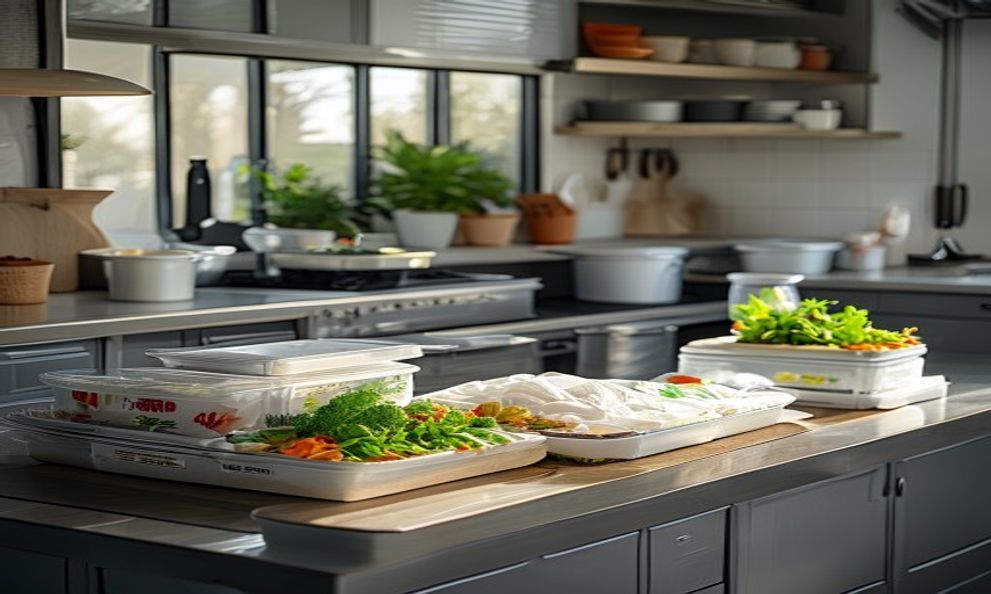

Planning room
Large orders fail in the handoff gaps. Catering keeps the customer-facing brief close to menu logic, package choices, prep notes, and operational ownership.
Keep guest count, dietary notes, timing, delivery location, and contact details in the same operational record.
Turn request details into packages, add-ons, portions, and kitchen-ready notes.
Sales, kitchen, packing, delivery, and finance can work from the same event plan.
Production detail
The production view turns approved event details into timed kitchen work, packing checks, purchasing signals, and delivery instructions.
Break large orders into prep batches, tray counts, packaging needs, and pickup windows.
Surface purchasing and production needs before the kitchen finds a shortage late.
Use handoff notes for boxes, labels, utensils, sauces, heating instructions, and customer-specific details.
Production schedule
Prep, packing, and delivery handoff stay attached to the event order.
Lock package quantities, substitutions, deposit path, and customer approval.
Assign batches, purchasing needs, tray counts, packing labels, and service notes.
Check boxes, utensils, sauces, heating instructions, and recipient details.
Keep driver notes, delivery timing, contact person, and confirmation steps together.
Main package
Buffet trays
Qty confirmed
Dietary set
Vegetarian portions
Kitchen note
Service extras
Utensils, sauces, labels
Packing check
Feature depth
The event order record has to carry more than items and totals. It needs the operational detail that protects service quality on event day.
Date, time, branch, delivery method, guest count, address, contacts, and internal owner.
Packages, products, add-ons, modifiers, substitutions, service notes, and customer requests.
Production timing, quantity planning, packing notes, and status review.
Driver notes, recipient contact, confirmation steps, and event-day changes.
Who uses it
Capture requests, confirm details, and prepare customer-ready proposals and follow-up.
See quantities, prep timing, production needs, and packaging instructions.
Track capacity, delivery readiness, purchasing pressure, and event profitability inputs.
Catering needs restaurant operations around it.
Use structured inquiry forms for events, dietary notes, guest count, and contact capture.
Turn big event commitments into purchasing, prep, and stock review signals.
Support deposit, final payment, confirmation, and receipt handling.
Keep event orders connected to menu, kitchen, branch, and reporting context.
Delivery readiness
We will map request intake, package setup, production notes, handoff, and the connected apps that support your catering workflow.
01
02
03